Arts and Dafts

 
Penchant for Lettuce
OriginsElk City, Idaho, United States
GenresFolk Rock, Psychedelia
Years Active1964 – 1972
MembersHuckleberry Brookes (Guitar), Willow Brookes (Vocals, Drums), and Harmony Brookes (Vocals)

Penchant for Lettuce

Early Life

Penchant for Lettuce officially came together as a band in 1964. We say officially as the members Huckleberry, Willow, and Harmony Brookes were all siblings living on their father’s farm in Elk City, Idaho.

Willow, Huckleberry, and Harmony Enjoying Their Father’s Farm (C. 1946)

They grew up together with Huckleberry being the elder brother of the twins, Harmony and Willow, by just over two years. All three were very musical as children including school recitals and town parade appearances. The most notable being Harmony becoming Queen of the Parade thanks to her brilliant singing voice. Living in a very rural area they were able to practice playing their instruments on the farm without disturbing anyone. This gave them the creativity to try new things without worrying about what other people thought.

Initially Willow and Harmony sang together as a duo which became very popular amongst their school mates at the time. They were also invited to several barn parties and gained some fans and admirers in the small, local music scene. It wasn’t until Huckleberry asked to join the group that we got the full lineup of the classic band Penchant for Lettuce.
History

Early Days

During their early days, the band had to juggle their new musical aspirations with their commitments to their family farm. By the time they had finished their daily duties on the ranch they were pretty tired and didn’t feel in the mood for creating music. It was their father who suggested that he hire a couple of extra farmhands for the weekends to allow his children to pursue their ambitions. Their father never quite understood their music, but after even the smallest local fanfare they received, he realised that they might be onto something good. This gave the band a chance to practice and hone their craft. The band members were eternally grateful to their father for the extra time he had given them to play together. They really didn’t want to let him down, so would make the most of every minute they could over the weekends. The extra hours paid off as they were able to sharpen their skills and find their true style. 

The name of the band reportedly originates from a comment made at Thanksgiving at the band’s family farm. Their mother was a fantastic cook and laid out an amazing spread for the big day. Unfortunately, their auntie was on a diet and thus was only eating the healthy items. This led to the immortal line, “Well, I’m glad I’ve got a penchant for lettuce otherwise I’d be starving.” The phrase stuck with the family and became the tagline for Huckleberry, Willow, and Harmony’s music.

Being from the countryside, folk rock was the obvious genre to choose to pursue. The style fitted their talents and gave them an outlet to find their musical voices. The lineup was pretty set in stone even at this early stage in their careers. Huckleberry would be on acoustic or electric guitar depending on the song, Willow would be on the drums and vocals, with Harmony being the lead singer. The initial songwriting was a joint effort between the trio with each member having written a few songs each. 

It was all very well practicing at their farm, but they now needed to play their music in front of other people. Thankfully they were pretty well known in the local area and were allowed to play at the bars and gin joints they frequented themselves. Locals were amazed at the polished musicianship and ethereal vocals of the group considering plenty had known them since they were children. These intimate gigs helped them build a small, but ardent fanbase within Elk City and further afield. Their most popular track during this time was Ode to a Hayrick, a loving ballad about life on their family farm. It spoke well to the agricultural areas they were playing in and was the band’s first “hit.”

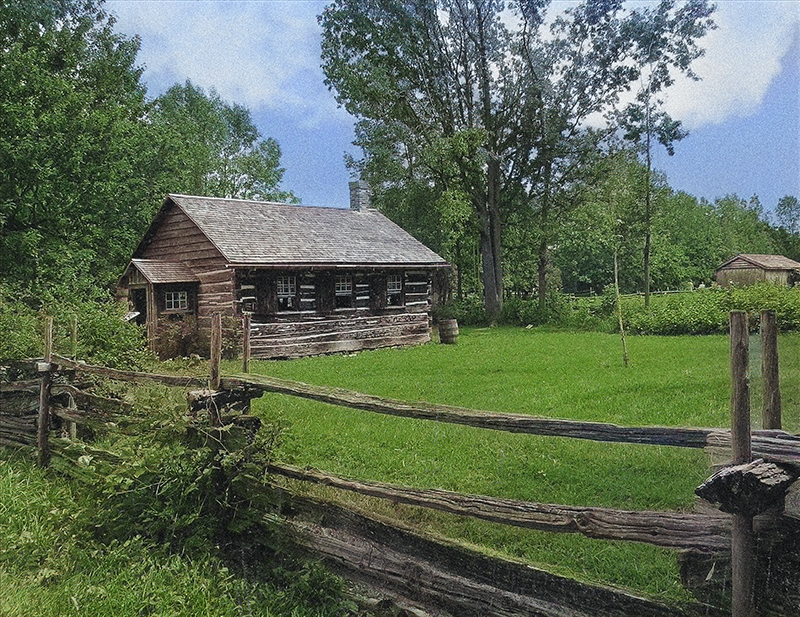
The band's barn where they practised early in their career

It was around this time that Dekaf Records got a sniff of their talent. It’s reported that Dekaf’s American talent scout, Chuck Green, was taking a break in Idaho at the time and by happy coincidence saw Penchant for Lettuce performing at the Buck Trail Bar in Elk City. He loved the real atmospheric quality of their music and thought it was really ahead of the curve for traditional folk. Once the gig was over, Chuck immediately used the bar’s phone to call his boss at Dekaf and tell him about the great group he had just seen. His boss liked the sound of them and trusted Chuck’s judgement. Chuck then went backstage to talk to the Brookes and work out a deal. It was on this day that Penchant for Lettuce became a member of the Dekaf Records family. As part of this deal, Dekaf arranged for the band to create their debut album at a recording studio in Idaho.

Breakthrough

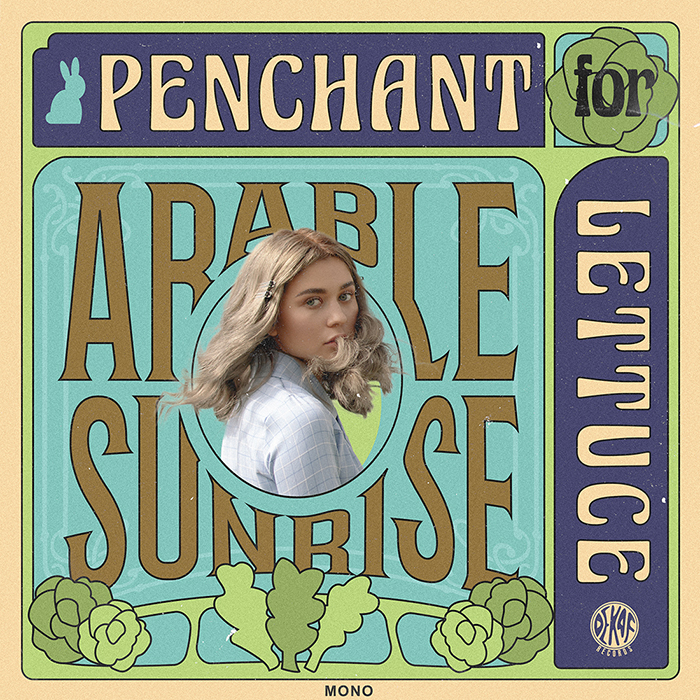
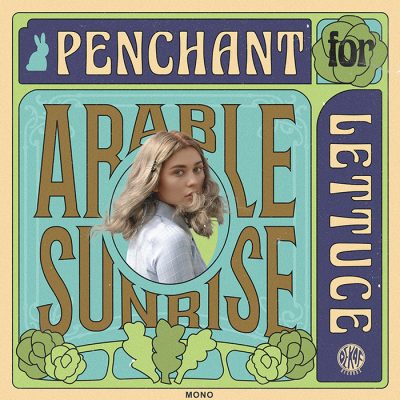
1964 was a very busy year for the band as they released their debut album, Arable Sunrise. It took them four weeks of back and forth before they were totally happy with the recordings. It was a bit of a culture shock for the trio as they had never been in a professional studio before. Once they got used to the atmosphere they were able to perform to the best of their abilities and take in all the information and jargon thrown at them. The studio mixer was particularly impressed with their sound and invited a few of his buddies to the recordings to capture what he thought would be musical history. The album consisted of the songs that they had already been performing plus a few extras written specifically for the album. The band wrote songs about what they knew, so their initial offering of tracks were all related to or about their life growing up on a farm and the everyday goings on of a small agricultural town.

Penchant for Lettuce Debut Album Arable Sunrise
Penchant for Lettuce's Debut Album

Their debut album really hit a sweet spot amongst the Idaho music buying public and became an instant hit record for the band. The initial backing by Dekaf Records had paid off for the trio from Elk City. Their new found local success enabled them to perform in bigger and better venues around Idaho and beyond. Playing more venues outside of Idaho also helped advertise their album to more and more people. 

Their biggest crowd to date came on their first tour when they traveled all the way to California to attend the Birchstock Festival. The whole experience really opened the eyes of the band and allowed them to meet so many likeminded artists many of whom became lifelong friends. It also gave them a chance to write some new songs with other collaborators. Their ethereal sound took the crowd by storm resulting in demands for an encore. It also helped increase their album sales and cemented their place among the canon of midwest folk rock groups.

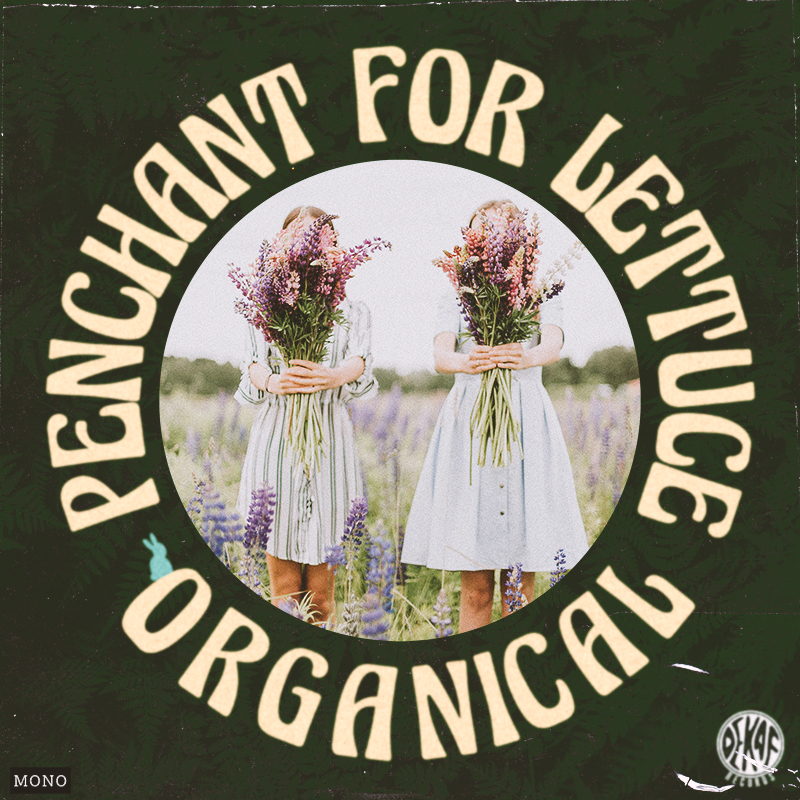
This initial success came very quickly in the band’s life and could easily have fallen away equally as quickly, but the Brookes were determined that Penchant for Lettuce was going to stick around. They needed to capitalise on the debut album with a follow up hit. As they say, the second album is always the hardest. Thankfully for the band, they had been exposed to so many new ideas and styles at Birchstock that they were able to create another folk rock masterpiece in 1965, Organical

Their second album was launched by Dekaf Records to much more fanfare than their debut. This was due in no small part to the many new fans and admirers that the band had picked up along the way of their first tour across the United States midwest region. The trio recorded the album at the same recording studio in Idaho over a period of three weeks. By this point they were a little more used to the set up and were able to include a bit more studio trickery on their tracks. These days recording also led to a romance between Harmony and the original studio mixer, James O’ Dougal, who had also supervised their previous album. The couple later got married in 1968 and had two children, Barnabas and Jedediah.  

Riding High

The band now had two solid albums under their belts and were slowly becoming legends in and around Elk City in Idaho. They truly found out how much they were loved in their home city when 3,000 people turned up to see them at the Elk City College Football Stadium. The crowd were cheering their names before they even got on stage and when they started playing a soft hush fell over the spellbound audience. At this gig the mayor of Elk City presented the trio each with a key to the city to which they were both surprised and delighted. It was also the final gig that their ageing farmer father attended. He was able to see the band’s meteoric rise from playing in his barn to headlining an unforgettable concert in front of the whole city. He didn’t want to see them play again due to his declining health and total satisfaction that his children had hit the big time.

The band spent the next two years touring in and around the midwest of the United States gathering “Lettuceheads” anywhere and everywhere they went. One notable gig for Willow was at Douglas Hall where she met her lifelong partner, Buddy Rico. He had been an ardent lover of the band since he first saw them in a small bar during on of their first gigs. He had always fancied Willow, but it wasn’t until the Douglas Hall gig when he finally got the courage to head backstage to try and catch her eye. Willow immediately fell for his southern charm, and the rest as they say is history.

A Lettucehead at Birchstock

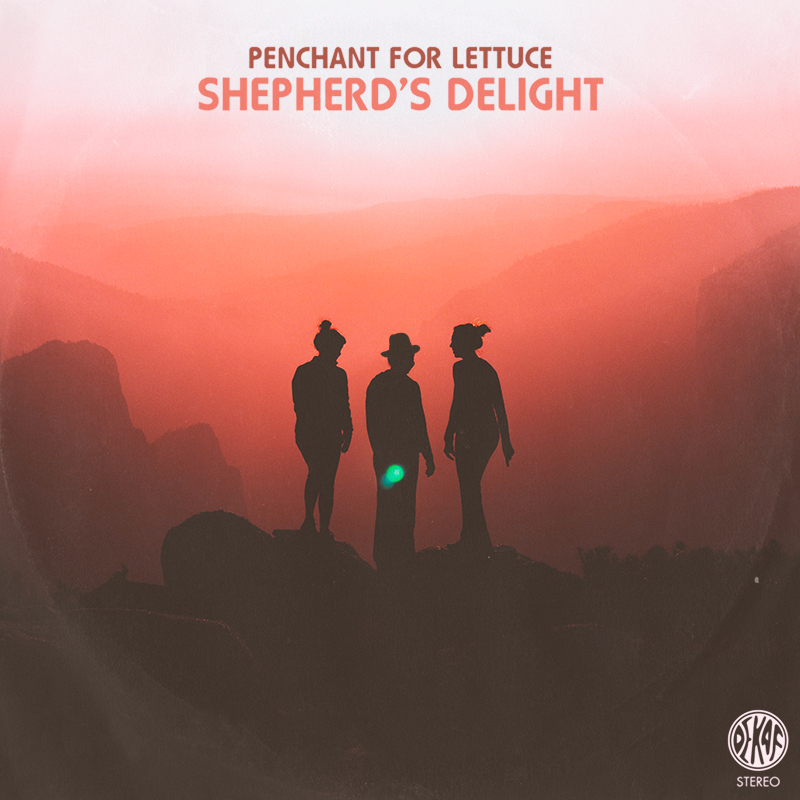
By 1967, the band, as well as Dekaf Records, felt it was time to release another album. The band had had plenty of time to come up with some new arrangements while on the road in their camper van / tour bus. They even snuck a few early drafts of songs into the more excited crowds on tour to gauge their reactions. Their new song, What the Mist Reveals, was immediately picked up by fans and became the featured track from their new album, Shepherd’s Delight

The third album carried on the winning formula of folk rock songs with themes of farming, nature, love, and loss. The band were really hitting their own groove and bringing countless others with them for the ride. The lyrics of the songs mixed with the stunning vocals of the Brooke twins pleased all the fans of the band, and even brought them success in the southern states of the US. This led to a national tour in 1967 where they not only played the midwest and west coast states but also the southern states too. Texas fans especially loved their sound and became their most ardent group of supporters outside of Idaho. Even though the band mixed with plenty of other folk bands, they were famously anti-drug and even fronted local campaigns against the use of hallucinogenic drugs. This clean image really resonated with the Bible-belt states of the US compared to other bands of the same ilk and found them even more new fans.

The band wanted to strike while the iron was hot and released their fourth album, Glanchville, in 1968. Although the album wasn’t a critical success like their previous three, their fans loved it just the same and people bought it all across the country. Most of the songs were again written while on the road as they had even more time between gigs on the national tour. Glanchville is the name of a small village outside Elk City and one frequented by the band in their youth especially for the lush parks and crystal clear bathing lakes. The whole album centres around the idea of local community and being homesick. All the songs on the record featured a different place that they remembered as kids or had visited on previous tours. It was the closest to a concept album that the band created and one they all felt particularly proud of.

Changes

It was another two years of touring for the band after the release of Glanchville. As a treat for the band the tour also included a gig at each place and venue mentioned on the album’s tracks. The intimate gig at Glanchville Town Hall was a particular favourite for the band, fans, and locals. The small town so appreciated the place’s inclusion on the album that the town’s sign included the tagline “As sung about by Penchant for Lettuce.” 

Though the tour was still enjoyable on the whole for the band, a dissatisfaction grew within Huckleberry. Musically the band was still very similar to what they were like when they released their first album. In Huck’s eyes there had been no progression stylistically or lyrically. The team in charge of the band at Dekaf Records were happy if they wanted to go into a different direction as folk music was slowly becoming less popular around this time in the States. Huckleberry’s solution to the creative slump was to include his singing on some tracks and trying to bring a more psychedelic sound to the band. This was mainly prompted by his purchase of a theremin while on holiday in New York. 

With extra practice and now three singers in the group, their fifth album, Arid and Barren, was released in 1970. It received mixed opinions among their classic fanbase as it was very different from their previous output. According to Dekaf Records sales at the time the album sold less to the classic farming states, but sold better in urban areas. It did find an odd following amongst prog rock fans. Even though the tracks were still normal length, prog fans felt the music and style matched much more with what they were looking for compared to their older albums. The album has since appeared on many top prog album lists which certainly took the band by surprise.

Welcome to Glanchville Penchant for Lettuce
The town sign for Glanchville (after the hit album)

With the new album came another tour. Even with the less than fantastic initial reception, this was Penchant for Lettuce’s largest and longest tour to date. The group went from Washington all the way down to Florida with plenty of stops in between. They even flew out to Hawaii for a week’s worth of concerts on the islands. Their set list was a mixture of old and new songs so that fans of all the albums could enjoy the gigs. The band got just as great receptions in Ohio as they did in Nevada, proving once and for all that not only had they hit the big time, but that they had brought their inimitable brand of folk rock to the mainstream United States.

Farewells

This national tour took a year and a half to complete and really took a lot out of the band, especially Willow and Harmony. Both the twins now had families and were unable to bring them along for the entire tour, with them meeting up as often as they could amongst their busy schedules. They both felt selfish spending all their time on the road and leaving their families behind. It was at this point that the twins both agreed to take an extended hiatus from the band. Huckleberry was upset, not with them, but with himself for allowing the band to get in the way of his family. He also agreed to call it quits with the band as he had also found the previous tour incredibly draining, not only physically but emotionally and mentally too. The band were going to end on a high with one final album.

In 1972 their final album, Farewell Fables, was released with much sadness from the band and fans alike. It was recorded back in the Idaho studio where Harmony had met James, bringing everything full circle. They also brought their kids along to the final day of recording. The band started as a family affair and it ended as one too.The album was a great mix of classic style songs, newer more psychedelic songs and even a few live performances thrown in for good measure. It became an immediate hit as fans from across the country bought it to mourn the loss of their favourite folk rock band.

The group did one final farewell tour in and around Idaho as a way to give back to the fans that had given them so much. Being much more local they could commute from their homes rather than having to live on the road again. The “Lettuceheads” turned up in their thousands with many making pilgrimages from all across the country to their last gigs. By Christmas 1973, Penchant for Lettuce was no more and the band members were able to fall back into the family life that they had left behind almost nine years earlier.

Discography

Shepherd’s Delight (1967)

Glanchville (1968)

Arid and Barren (1970)

Farewell Fables (1972)

What Happened Next?

So what became of the classic folk rock band, Penchant for Lettuce? In the immediate aftermath, Harmony settled back into family life and had much more time for her children growing up. A music career was in the rear view mirror for her since the band ended and she never looked back. She wanted to be the best mother that she could be to her two sons, and a loving wife to James. In the late 1970s, she got a music teaching job at her sons’ small provincial school where she taught singing and wind instruments to the excitable children. She was a very successful music teacher for 25 years and inspired a countless number of kids to enjoy and participate in music.

Willow Brookes after the fame

Willow also fell back into family life with partner, Buddy, having had three daughters, Jemima, Lily, and Betty with him during the band’s peak. She was always available for one off Penchant for Lettuce gigs, but her love and excitement turned towards photography. She became a very well known landscape photographer within Idaho, and had many exhibitions of her work during the 1980s. Since those days she has taken more of a backseat in her career to help the careers of her daughters all of whom are as talented as their mother.

Huckleberry stayed in the music business by starting to work with Chuck Green of Dekaf Records. They spent most of the late 70s and 80s scouting out the next big thing throughout bars, clubs, and local venues. It meant he was able to go to hundreds of gigs across the country and soak up many different genres and styles. His presence was always noted by the performing artists as he had such a cool persona which often made the acts nervous. Many big names for Dekaf Records were first spotted by Huckleberry and that’s why he’s such a legend within our company too! He never stopped performing himself, often doing small local gigs playing the classic PFL songs with a few new ones too, much to fan’s delight.

The band have often got back together for the odd one off gig with plenty of fanfare for each. To many, Penchant for Lettuce were such an essential part of growing up for those whose lives were touched deeply by their music. Because of this they are incredibly fondly remembered in and around Idaho and the neighbouring states too.  They became local legends and heroes of the folk rock genre. To this day numerous bands and artists are inspired by their classic ethereal music and thoughtful lyrics.